





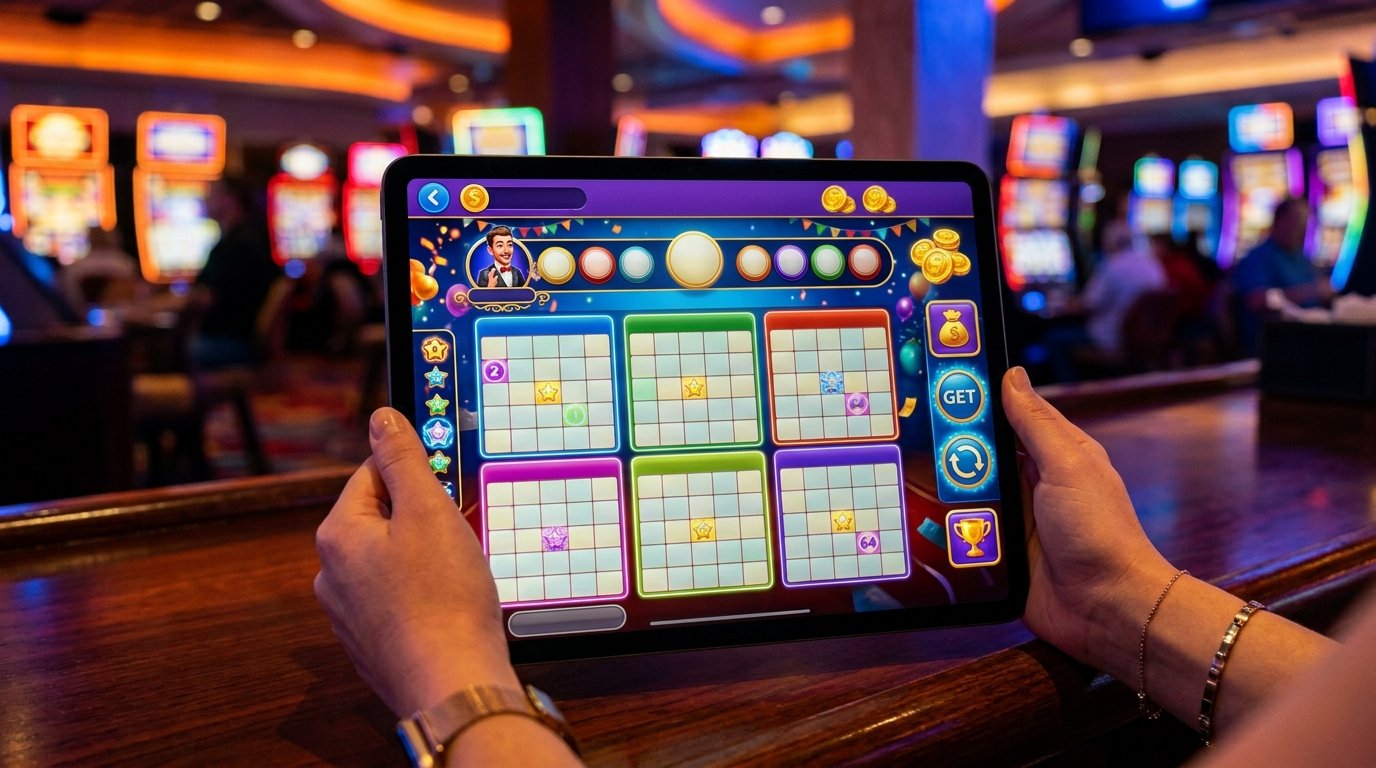
You know that feeling when you’re scrolling through casino sites at 11 PM, half-convinced that “bingo” is just slots wearing a costume? I had that exact thought the first time I loaded up a real money bingo room back in 2019, and I was wrong — but not in the way I expected.
Online bingo real money games are a strange corner of the gambling world. They’re simple enough that your grandmother plays them on her iPad, yet the RTPs, room structures, and bonus terms are more convoluted than most slot machines. That combination — low barrier to entry, high potential for confusion — is exactly why so many US players lose money not because bingo is rigged, but because they don’t understand how the rooms actually work.
This isn’t going to be another listicle telling you bingo is “fun for the whole family” and calling it a day. I’m going to walk you through what real money bingo actually costs to play, which platforms are legitimate in the US, how payouts really work, and where players consistently get burned. Some of this might annoy the sites I mention. That’s fine.
Is Online Bingo Real Money Even Legal in the US?
Short answer: it depends entirely on your state, and the landscape is messier than people assume.
Regulated real money online casinos — the kind offering slots, table games, and bingo rooms under state licensing — currently operate in six states: New Jersey, Michigan, Pennsylvania, West Virginia, Connecticut, and Delaware. If you’re in one of those states, platforms like BetMGM, Borgata, and Golden Nugget Online Casino all run dedicated bingo sections alongside their slot libraries.
Outside those six states, you’re mostly looking at sweepstakes-model sites — places like Chumba Casino, Pulsz, and Fortune Coins — which operate under a different legal framework entirely. Instead of depositing real cash to bet directly, you buy virtual currency (usually called “Gold Coins”) and receive bonus “Sweeps Coins” that can be redeemed for cash prizes. It’s a legal workaround that’s been around since the early 2010s daily fantasy sports boom, and it’s technically not gambling under most state definitions because there’s no direct purchase of a chance to win.
Do these sweepstakes bingo rooms feel like real money bingo when you’re playing them? Pretty much. Do they pay out real cash? Also yes, assuming you clear the redemption requirements. But the odds, the RTP disclosures, and the consumer protections aren’t identical to a state-regulated site, and that distinction matters more than most articles bother explaining.
How Real Money Bingo Actually Works (It’s Not What You Think)
Here’s where most beginners get tripped up. Traditional bingo — the kind at your local church hall — pays out based on a fixed prize pool split among ticket buyers. Online bingo real money rooms almost never work that way anymore.
Most regulated sites now run what’s called “fixed jackpot” or “guaranteed payout” bingo, where the prize is set in advance regardless of how many players buy in. That’s good news for you as a player because it means the operator, not other bingo cardholders, is absorbing the variance. It’s also why bingo cards on sites like BetMGM often cost more per card ($0.50–$2.00 typically) than you’d expect from a game this simple — the house is pricing in a guaranteed payout structure.
There are generally three room types you’ll encounter:
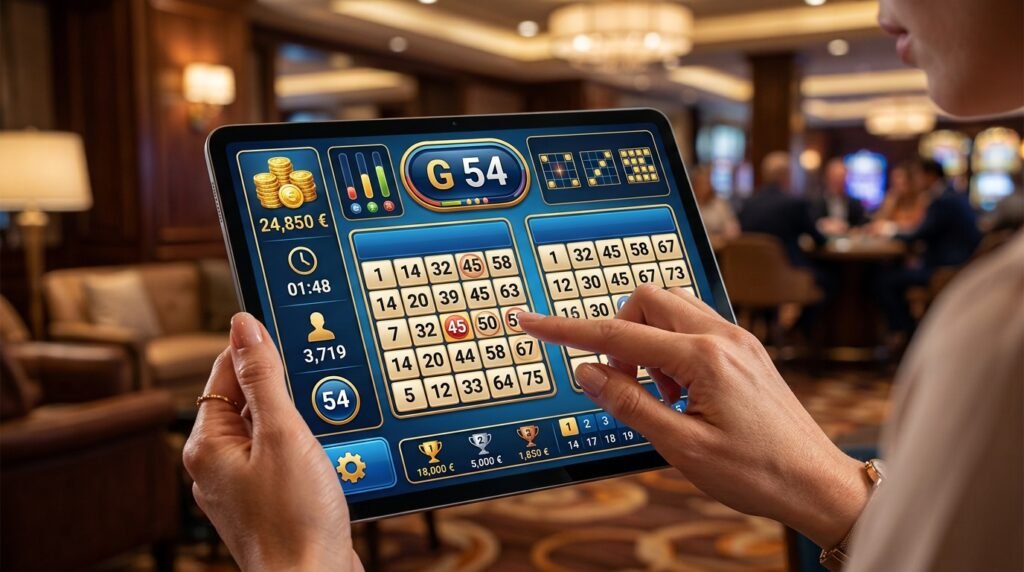
- 75-ball bingo — the classic American format, played on a 5×5 grid with a free center square, usually offering pattern-based wins (lines, corners, blackout).
- 90-ball bingo — more common on UK-licensed skins that operate in the US, played on a 9×3 grid with three prize tiers per game (one line, two lines, full house).
- Speed/slot-style bingo — a newer hybrid format, often disguised with slot-machine visuals, that plays out in seconds rather than minutes.
Honestly, the speed bingo variants annoy me a little. They’re marketed as “bingo” for SEO purposes, but the actual gameplay loop feels closer to a slot spin with a bingo skin slapped on top. If you’re specifically looking for the social, slower-paced bingo experience, skip those rooms entirely and look for ones explicitly labeled “75-ball” or “90-ball” in the lobby filters.
What Does Online Bingo Real Money Actually Pay Back?
This is the part almost nobody publishes numbers on, and it drives me a little crazy.
Slot machines are required to disclose theoretical RTP (return to player) in most regulated states, and you can usually find that number in the game info screen. Bingo doesn’t work that way. Because prize pools depend on ticket sales and room structure, RTP for bingo fluctuates game to game and even session to session.
That said, based on published data from UK Gambling Commission filings (US operators rarely disclose this directly, but many run the same backend software as UK-licensed skins), typical online bingo RTP lands somewhere between 70% and 90%, which is actually lower than most online slots. Slots at BetMGM or Borgata commonly run in the 94–97% range. That’s a meaningful gap.
Why does bingo run lower? Because the operator takes a cut off the top of every ticket sold before the prize pool is calculated — often 10-20%, sometimes more on smaller, less popular rooms. Bigger rooms with more players buying in tend to have better effective RTP because the fixed rake gets spread across more tickets.
My honest take: if you’re purely optimizing for expected value, bingo isn’t the play. You’ll get better long-run odds from blackjack (98-99.5% depending on rules) or even most video poker variants. Bingo makes more sense if you’re playing for the social chat rooms, the community jackpots, or just because you genuinely enjoy it — not because you’re chasing the best mathematical return.
Bonuses: Where Bingo Sites Get Sneaky
Bingo bonus terms are, in my experience, some of the worst-disclosed in the entire casino industry. A few patterns I’ve seen repeatedly:
Bingo-specific wagering contribution. Many sites count bingo tickets at only 10-20% toward bonus wagering requirements, compared to 100% for slots. So that “$25 free bingo bonus” might functionally require you to spend $250+ in ticket purchases before you can withdraw anything. Always check the wagering contribution table, not just the headline bonus amount.
Room restrictions. Some welcome bonuses only apply to specific low-value rooms, meaning you can’t use bonus funds on the bigger jackpot games where the effective payout is actually decent.
Withdrawal caps on sweepstakes coins. On sweepstakes-model sites, redemption limits ($50-$150/day is common on newer accounts) can stretch out cashing out a meaningful win over several days or weeks, which is worth knowing before you get emotionally invested in a big jackpot hit.
When I tested Pulsz’s bingo room for about three weeks in 2023, I hit a decent Sweeps Coins win on a blackout pattern — and then discovered the daily redemption cap meant I was waiting almost two weeks to fully cash out. Not a scam, exactly, but definitely not disclosed anywhere near as clearly as it should have been.
Best Practices If You’re Going to Play Online Bingo Real Money
A few things I’d tell a friend before they deposit anywhere:
- Stick to licensed platforms in regulated states if you have access to one — the consumer protections and dispute resolution processes are far better than sweepstakes sites.
- Read the wagering contribution percentage on any bonus before claiming it. If it’s not listed, that’s a red flag, not an accident.
- Set a session budget before you start. Bingo’s social, chatty pace makes it easy to lose track of time and spend more than you meant to.
- Favor larger rooms with more players over niche, low-traffic rooms — better effective payout, as explained above.
- Never chase losses by buying more cards mid-session hoping to “catch up.” Bingo card odds don’t work retroactively; every ticket is an independent draw.
FAQs
Is online bingo real money rigged?
No, but it’s structured differently than most players expect. RNG-certified bingo software in regulated states is tested by independent labs (like GLI or eCOGRA), same as slots. The lower effective payout compared to slots isn’t rigging — it’s just how the prize pool math works.
What’s the minimum deposit for real money bingo?
Most regulated sites let you deposit as little as $10-$20, and individual bingo cards often cost between $0.25 and $3.00 depending on the room.
Can I play online bingo for real money in states without regulated online casinos?
Not with real-money regulated sites, but sweepstakes-model platforms like Chumba or Pulsz operate legally in most states (excluding Washington and a small handful of others) using a virtual currency model that can still result in real cash prize redemptions.
Do bingo sites offer better bonuses than slots?
Headline bonus amounts can look generous, but check the wagering contribution — bingo tickets frequently count for far less toward clearing a bonus than slot spins do.
Is 75-ball or 90-ball bingo better for real money play?
Neither is objectively better; it comes down to preference. 75-ball tends to offer more pattern variety and slightly faster games, while 90-ball’s three-tier prize structure means more frequent smaller wins throughout a single game.
Final Word
Online bingo real money games aren’t a scam, but they’re also not the best-kept secret for beating the house. Go in knowing the RTP gap versus slots, read the bonus wagering terms line by line, and pick regulated platforms when you have the option. If you’re playing for the community feel and the occasional jackpot chase rather than pure EV, you’ll enjoy it a lot more with realistic expectations.
Ready to see which regulated bingo rooms are live in your state? Check your state’s licensed casino operators before you deposit anywhere.