



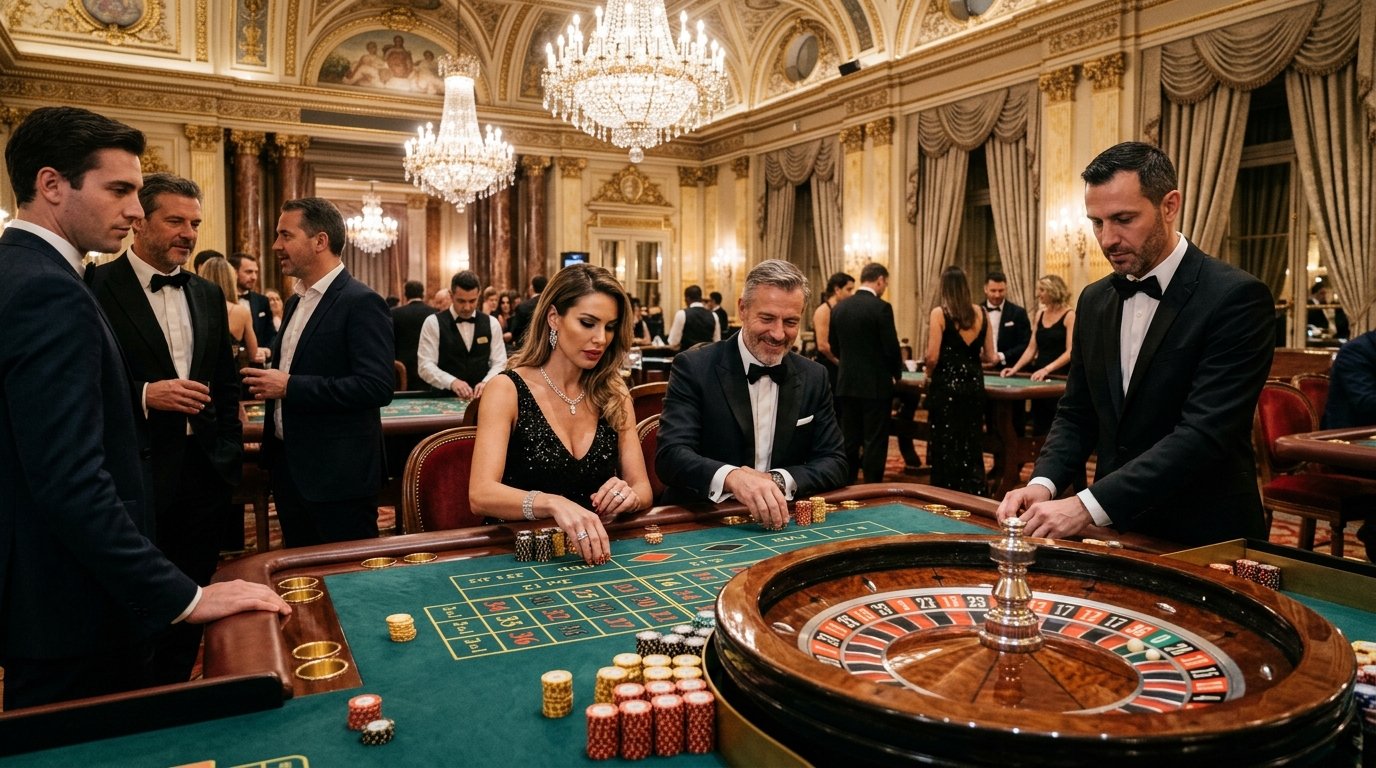
Roulette in Monaco is played almost exclusively on European single-zero wheels, which gives you a house edge of just 2.7% — almost half of what you’d face on an American double-zero table. The Casino de Monte-Carlo also applies a rule called La Partage, where you get half your even-money bet back if the ball lands on zero. That alone changes everything about how you should approach the table.
Introduction
The Casino de Monte-Carlo opened in 1863, and for decades it was essentially banned for Monaco residents — the ruling family didn’t want their own people losing money there. Roulette in Monaco wasn’t built for tourists looking for a fun night out. It was built as a financial engine, and the architecture, the dress code, the minimum bets — all of it is designed to project one thing: that you’re playing somewhere serious.
Here’s what you’ll actually learn: why the La Partage rule is the single most underrated edge reducer in casino gambling, what most first-timers get completely wrong about the bet minimums, and why your bankroll management plan matters more here than at any other casino you’ve visited. Stick with me — the last section on mistakes might save you a very expensive evening.
What Is Roulette in Monaco?
Forget the image of James Bond casually tossing chips on black. Roulette in Monaco is a specific experience tied to specific rules, and the rules are what matter.
The Casino de Monte-Carlo runs European roulette — one zero, 37 pockets, house edge of 2.7%. But here’s what 90% of articles skip entirely: the La Partage rule. If you’re on an even-money bet (red/black, odd/even, 1-18/19-36) and the ball lands on zero, you don’t lose your whole wager. You get half back. That drops the effective house edge on even-money bets to just 1.35%. That’s lower than most blackjack variants, and almost nobody talks about it in the context of visit planning.
What most articles get wrong is treating Monaco roulette as purely a luxury tourism experience. The RTP (return to player) on these tables — especially with La Partage applied — is genuinely competitive. You’re not just paying for the glamour. The game math actually works in your favour compared to most online or Vegas alternatives.
Minimum wagers at the main salon typically start around €5-€10 for inside bets. The private salons run higher — sometimes €25 minimum or more. Know which room you’re walking into before you sit down.
How Roulette in Monaco Actually Works
Roulette in Monaco follows the same spin-and-bet structure you know, but with a few details that catch people off guard their first time.
- Understand the table layout before you exchange chips: Monaco uses plaques for high-value bets rather than chips in some salons. The croupier controls the pace — don’t try to rush a bet after the announcement. If you miss the cut-off, wait for the next spin. Players who fumble this look amateur and slow down the table.
- Declare your bet type for called bets: Monaco tables accept announced bets — like Voisins du Zéro (neighbours of zero) or Tiers du Cylindre (thirds of the wheel). These cover specific sections of the wheel and require a verbal declaration to the croupier before the ball drops. Most casual players don’t know these exist, and they’re where the real regulars play.
- Apply the La Partage rule on even-money bets: When you’re playing even-money positions (red, black, odd, even), the La Partage rule is automatically in effect. You don’t need to ask for it. If zero hits, the croupier will return half your wager without discussion.
- Manage your session bankroll before you sit: The volatility on roulette — even European single-zero — means short sessions can swing hard. Decide your maximum wager per spin before you touch the table. A common mistake is arriving with €500 and treating it as your per-spin ceiling rather than your session ceiling.
- Cash out in the same salon you played in: Cashout procedures at the Casino de Monte-Carlo require you to redeem your plaques or chips at the table or the designated caisse. Don’t wander between salons mid-session expecting a universal cashout point — it’s not how it works there.
Here’s something most guides won’t tell you: the croupiers at Monte-Carlo are trained to be slow and deliberate on purpose. The pace is controlled to give you more time between spins — which sounds like courtesy, but it also means more time to second-guess yourself and increase your wager. Stay with your plan, not the atmosphere.
Roulette in Monaco Benefits Most Players Completely Miss
Benefit 1: The La Partage Rule Effectively Gives You a Built-In Insurance on Even-Money Bets
Most players walk in focused on the glamour and never calculate what La Partage actually means for their session. On even-money bets, you’re playing at a 1.35% house edge — which is genuinely excellent for a wheel game. A player sticking to red/black across a two-hour session has a materially better chance of walking away even compared to playing the same bets in Las Vegas.
Benefit 2: The Table Pace Supports Slower, More Deliberate Bankroll Management
Monaco tables run fewer spins per hour than your average online roulette game or fast-paced casino floor. Fewer spins per hour means your bankroll lasts longer for the same bet sizes. A player with a €300 session fund faces less exposure per hour here than they would at a high-speed live dealer table online. That’s a structural advantage most people never factor in.
Benefit 3: Called Bets Create Strategy Depth That Flat Inside/Outside Betting Doesn’t Offer
The announced bet system — Voisins, Tiers, Orphelins — lets you cover logical wheel sections rather than arbitrary table positions. This doesn’t change the house edge, but it does mean experienced players can make pattern-based decisions grounded in wheel geometry. It’s a layer of engagement most roulette games don’t offer, and learning these before you arrive makes the experience entirely different.
Tips That Actually Work
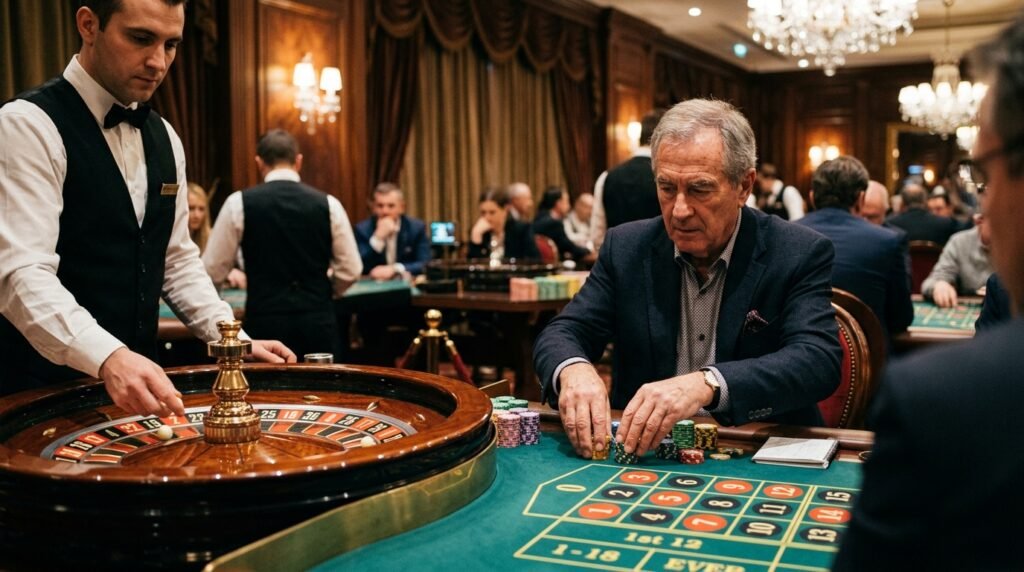
Here are four things worth knowing before you walk in.
Know Your Bet Types Before You Arrive, Not After
The Monaco tables move at their own pace, but croupiers don’t pause to explain called bets to visitors who show up underprepared. Spend 20 minutes before your visit understanding Voisins du Zéro, Tiers du Cylindre, and Orphelins. It won’t change your house edge, but it changes your entire experience — and it stops you looking lost at a table where everyone else knows exactly what they’re doing.
Don’t Confuse the Dress Code With the Bet Minimum — They’re Independent of Each Other
Most visitors assume that if they’ve cleared the jacket-required door, they’re ready for any table. That’s wrong. The private high-stakes salons have their own entrance requirements and their own minimum wagers — sometimes €100 per spin or more. Confirm the minimum bet for any table before you sit down. The embarrassment of under-buying your chips at a high-minimum table isn’t worth it, and nobody there will be sympathetic about it.
Stick to Even-Money Bets If Your Goal Is Session Longevity
The La Partage rule makes even-money bets the best mathematical proposition at the table. If you’re not a high roller chasing big payouts from inside bets, red/black and odd/even at a 1.35% effective house edge gives you the longest realistic session for your bankroll. Responsible gambling starts with understanding where your money is actually going — and on these bets, less of it is.
Set a Hard Exit Point Before the Chips Hit the Table
This isn’t generic advice dressed up in Monaco clothes. The atmosphere — the architecture, the history, the other players — is specifically designed to make you feel like the evening should continue. Set a walk-away point that’s a number, not a feeling. When you hit it, you leave. The Casino de Monte-Carlo has been taking people’s money since 1863. It doesn’t need yours more than you do.
Mistakes to Avoid With Roulette in Monaco
Most of the damage happens before the first spin. Watch out for these three.
Mistake 1: Treating the Minimum Bet as Your Base Wager
What it is: Players arrive, see the table minimum is €10, and use that as their default bet — then wonder why their bankroll is gone in 40 minutes.
Why players make it: They’re thinking about the minimum as a safety net rather than as a floor.
How to avoid it: Your base wager should be no more than 2-3% of your session bankroll. A €300 session fund means €6-9 per spin — which keeps you at the table long enough to actually experience the game.
Mistake 2: Not Knowing Whether La Partage Applies at Your Specific Table
What it is: La Partage isn’t universal across every table in the casino — it applies to specific even-money bet positions. Players assume it covers everything and miscalculate their actual exposure.
Why players make it: Articles about Monaco roulette mention La Partage as if it’s casino-wide policy, which creates a false sense of coverage.
How to avoid it: Ask the croupier directly before you place your first wager. A simple “does La Partage apply at this table?” takes five seconds and costs you nothing.
Mistake 3: Skipping Bankroll Planning Because It Feels Like a Special Occasion
What it is: People treat a Monaco casino visit as a “once in a lifetime” experience and suspend their normal financial discipline as a result.
Why players make it: The emotional significance of the location overrides rational planning — it’s a well-documented psychological response to high-status environments.
How to avoid it: Write your session budget down before you enter the building. The maximum wager per spin, the stop-loss point, the walk-away-ahead figure. Having it in writing makes it real.
FAQs
What exactly is roulette in Monaco?
It’s European single-zero roulette played at Monaco’s Casino de Monte-Carlo, with the La Partage rule in effect on even-money bets. That rule returns half your wager if zero hits, cutting the house edge to 1.35% on those bets — making it one of the best versions of roulette you can play anywhere in the world.
How does roulette in Monaco work step by step?
You buy chips or plaques at the table, choose inside or outside bets (or declare called bets verbally), the croupier spins, and winnings are paid by the croupier directly. If zero lands on an even-money bet, half your stake comes back under La Partage. The pace is slower and more formal than most casino floors.
Is roulette in Monaco actually worth it for players?
Mathematically, yes — especially on even-money bets where La Partage applies. Whether it’s worth the travel, dress code, and higher minimums depends entirely on what you want from the experience. If you’re chasing pure gaming value, you can find the same rules elsewhere. If you want the full experience, there’s genuinely nothing comparable.
What are the biggest mistakes to avoid with roulette in Monaco?
Don’t use the table minimum as your default bet size — that’s a fast way to burn through your bankroll. And don’t assume La Partage covers every bet at every table. Confirm it with the croupier before you sit down. Those two things alone prevent most of the regret.
What’s the single best tip for getting the most from roulette in Monaco?
Learn the called bets before you go — Voisins du Zéro, Tiers du Cylindre, Orphelins. They don’t improve your odds, but they change the entire character of how you play. You stop being a tourist placing random chips and start making deliberate decisions. That shift in mindset changes how the whole session feels.
Final Thoughts
The single-zero wheel and La Partage rule make this one of the best versions of roulette available anywhere, and that’s a fact most visitors never stop to appreciate before they sit down. Your session strategy — how much you bet per spin, when you walk away, whether you stick to even-money bets or go inside — matters more here than at any casual casino, because the minimums are higher and the emotional pull to keep playing is stronger. Roulette in Monaco is genuinely worth experiencing, but it rewards players who arrive prepared and punishes those who treat it as a photo opportunity with a side of gambling. The wheel has been spinning at Monte-Carlo for over 160 years. Know what you’re walking into.