






Quick Answer: A jackpot is the largest prize a casino game offers, either fixed at a set amount or “progressive,” growing every time someone plays without winning it. Progressive jackpots pool a tiny percentage of each wager across many machines or players until one lucky spin or hand triggers the payout.
Why the Word “Jackpot” Confuses So Many Beginners
Somewhere between a slot machine’s flashing lights and the words jackpots await on a game’s loading screen, most beginners form the wrong idea. They assume every jackpot works the same way, uses the same odds, and pays out the same style of prize. It doesn’t.
Some jackpots are fixed — a flat number printed right on the paytable. Others are progressive, climbing higher with every wager placed anywhere in a linked network, sometimes across an entire country. Beginners struggle because game developers rarely explain the mechanics behind the number they see ticking upward on the screen.
By the end of this guide, you’ll understand exactly how jackpots are built, funded, and triggered, what separates a local jackpot from a wide-area network jackpot, and which terms you need to know before you ever look at a paytable again.
What a Jackpot Actually Is
A jackpot is simply the top prize tier in a game’s payout structure. Every casino game — slots, video poker, certain table games — assigns probabilities to outcomes, and the jackpot sits at the rarest, highest-paying end of that spectrum.
There are two broad categories:
- Fixed jackpots — A set amount that never changes, regardless of how many people play or how long the game runs without paying out.
- Progressive jackpots — A prize pool that grows continuously, funded by a small percentage of every wager placed on that game (or network of games) since the last win.
Understanding which type you’re looking at changes everything about how the odds and payout behave.
Pro Tip: A game’s paytable will almost always tell you whether its top prize is fixed or progressive. If you see a jackpot number that looks unusually large or is still climbing, it’s progressive.
How Jackpot Mechanics Actually Work
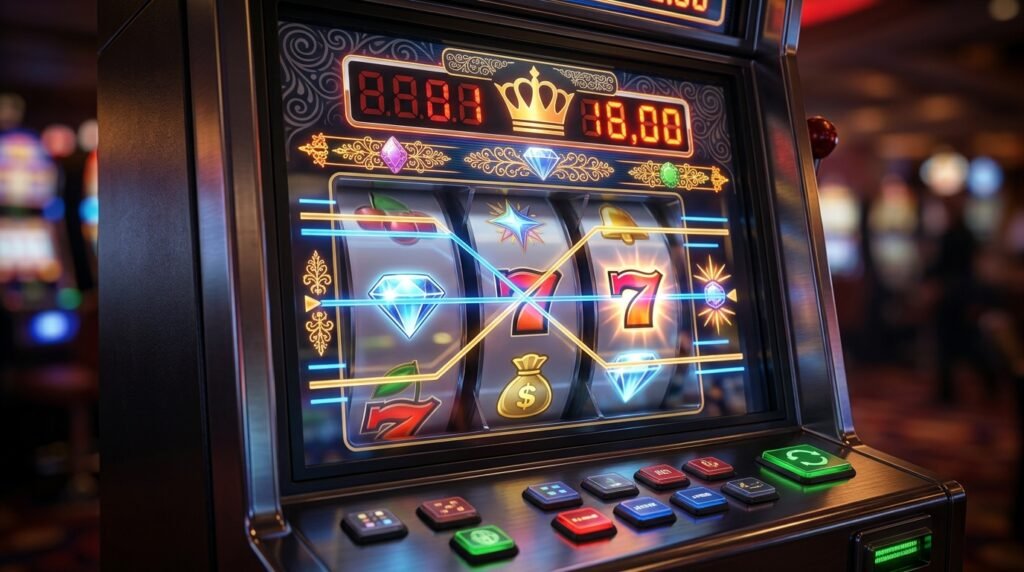
Here’s the step-by-step logic behind a typical progressive jackpot:
- A base “seed” amount is set — the minimum the jackpot can ever be won at.
- A small percentage of every wager (often less than 1%) is added to the jackpot pool.
- The pool grows continuously as more wagers are placed across the connected game or network.
- A random number generator (RNG) determines, independently of your gameplay skill, whether a spin or hand triggers the jackpot condition.
- Once triggered, the jackpot pays out and typically resets to its seed amount.
- The cycle begins again immediately.
This is why progressive jackpots can occasionally reach enormous figures — the pool simply hasn’t been won in a long time, so contributions keep stacking.
Local, Networked, and Wide-Area Jackpots
Not all progressive jackpots pull from the same pool. There are generally three structures:
- Standalone/local jackpots — Tied to a single machine or game; only wagers on that exact game contribute.
- In-house networked jackpots — Linked across multiple machines within one platform or provider, so contributions come from a wider pool of players.
- Wide-area progressives — Linked across many platforms or locations, sometimes spanning an entire region, which is why these jackpots tend to grow the largest and the fastest.
The bigger the network feeding the jackpot, the faster it typically grows — but that also means more players are chasing the same prize.
Common Beginner Mistakes When It Comes to Jackpots
- Assuming all jackpots work identically. Fixed and progressive jackpots have completely different payout logic.
- Confusing jackpot size with odds of winning. A larger jackpot doesn’t mean better odds — it usually means the opposite, since bigger networks spread the win across far more participants.
- Ignoring the paytable. Many games require a specific minimum wager to even qualify for the jackpot tier, a detail beginners frequently miss.
- Believing a jackpot is “due.” RNG-based jackpots have no memory. A jackpot that hasn’t paid out in months is not statistically more likely to hit soon.
- Overlooking volatility. High-jackpot games are typically high-volatility, meaning long stretches without any meaningful payout are normal, not unusual.
Pro Tip: Always check the paytable’s fine print for wagering requirements tied to the jackpot tier — some games disqualify smaller bets from the top prize entirely.
Key Jackpot Terminology Explained
| Term | Meaning |
|---|---|
| Seed amount | The starting value a jackpot resets to after being won |
| RTP (Return to Player) | The theoretical percentage of wagers a game returns over time |
| Volatility | How often and how large payouts tend to be |
| RNG | The system that determines random outcomes, including jackpot triggers |
| Must-hit-by | A jackpot type guaranteed to pay before reaching a disclosed ceiling |
| Mystery jackpot | A jackpot that can trigger randomly at any point, unrelated to specific symbol combinations |
Strategy for Understanding Jackpot Games Better
Approaching jackpot games with clearer expectations starts with education, not superstition. A few things worth understanding before evaluating any jackpot game:
- Read the RTP and volatility rating before assuming a jackpot game behaves like a standard game.
- Compare seed amounts across similar games — a higher seed often signals a smaller overall player pool contributing.
- Understand “must-hit-by” jackpots, which guarantee a payout before a disclosed ceiling, unlike purely random progressive jackpots.
- Recognize that jackpot size and jackpot frequency are inversely related in most designs — bigger prizes generally mean rarer hits.
Pro Tip: Comparing a game’s disclosed RTP with and without the jackpot included can reveal how much of the theoretical return is tied up in that rare top-tier win.
Myths vs Facts About Jackpots
| Myth | Fact |
|---|---|
| A jackpot that hasn’t hit in a while is “due” | RNG outcomes are independent; past results don’t affect future odds |
| Bigger jackpots mean better odds | Larger networked jackpots usually mean odds are spread across more players |
| Jackpots only exist in slot machines | Video poker, certain table game side bets, and some specialty games also offer jackpots |
| You need to bet the maximum to win any jackpot | Only true for specific jackpot-qualifying games; many fixed jackpots don’t require max bets |
| A game’s displayed jackpot number is guaranteed accurate in real time | Some platforms update jackpot totals on a delay, not instantly per wager |
Comparison Table: Jackpot Types at a Glance
| Jackpot Type | Grows Over Time? | Typical Odds | Payout Trigger |
|---|---|---|---|
| Fixed | No | Fixed, disclosed in paytable | Specific symbol/hand combination |
| Standalone Progressive | Yes (single game) | Moderate | RNG-based random trigger |
| Networked Progressive | Yes (multiple games) | Lower | RNG-based random trigger |
| Wide-Area Progressive | Yes (large network) | Lowest | RNG-based random trigger |
| Must-Hit-By | Yes, up to a ceiling | Guaranteed before ceiling | RNG-based, within disclosed range |
Conclusion
Jackpots aren’t one single concept — they’re a whole category of payout structures, each with its own mechanics, odds, and terminology. The three things worth remembering: fixed and progressive jackpots behave completely differently, wider networks generally mean bigger prizes but lower individual odds, and no jackpot is ever “due” based on how long it’s gone unclaimed.
Next time you see the words jackpots await flashing across a screen, you’ll actually understand what’s happening behind that number. Curious how volatility and RTP affect your understanding of a game’s payout behavior long before any jackpot enters the picture? That’s worth exploring next.
What surprised you most about how jackpots actually work?
FAQs
What does “jackpots await” mean on a casino game?
It’s a phrase describing the top prize tier available on that game, indicating a large payout exists somewhere in the game’s structure. It doesn’t guarantee anything about your odds — it simply confirms the game includes a jackpot feature, which could be fixed or progressive depending on the title.
How do progressive jackpots grow?
A small percentage of every wager placed on that game or connected network is added to the jackpot pool continuously. As more people play without triggering the jackpot, the total grows. Once someone hits it, the pool typically resets to its starting seed amount and the cycle begins again.
Are jackpots purely random?
In most modern games, yes. A certified random number generator (RNG) determines outcomes independently of previous spins or hands. Some exceptions exist, like “must-hit-by” jackpots, which guarantee payout before a disclosed threshold even if the outcome within that range is still random.
Do all slot machines have jackpots?
No. Many games use standard payout tables without a dedicated jackpot tier. When jackpots do exist, they typically fall into a few categories: fixed jackpots, standalone progressives, networked progressives, and wide-area progressives, each with different odds and growth patterns.
Does betting more increase your jackpot odds?
It depends entirely on the specific game’s rules. Some games require a maximum or minimum wager to qualify for jackpot eligibility at all, while others include the jackpot chance regardless of bet size. Always check the paytable, since this detail varies significantly between games.
Why do jackpot odds get worse as the prize grows?
Larger jackpots, especially wide-area progressives, pull contributions from a much bigger pool of players across many machines or platforms. That larger contributing pool is also the pool competing for the same random trigger, which mathematically spreads out the odds of any individual spin hitting it. pool competing for the same random trigger, which mathematically spreads out the odds of any individual spin hitting it.